
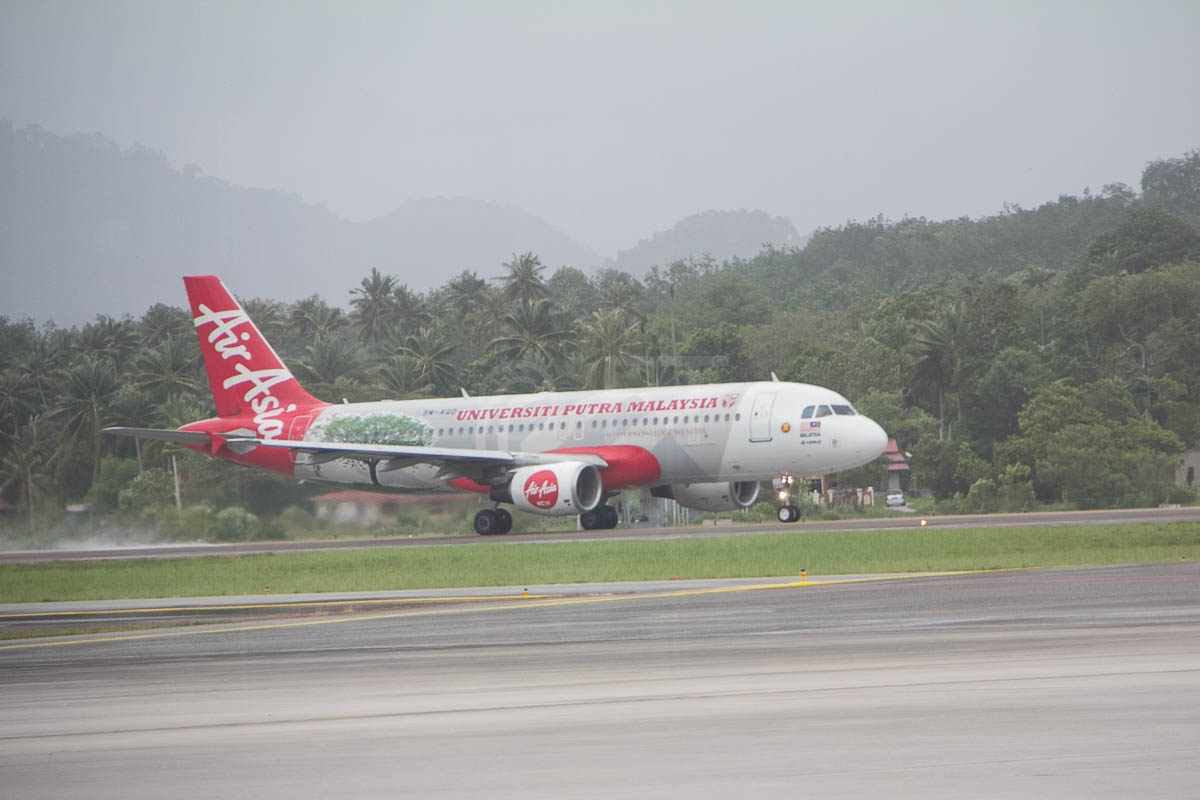
As a low cost airline with the ability to be nimble when changes are required, AirAsia is navigating their way through the current period of high fuel prices. This can be seen in their recently released 2026 Q2 Financial Results, with aircraft fuel expenses costing over half their revenue over the period. Despite this, they were one of the few listed airlines globally to report a decline in non-fuel unit costs during the quarter. They did this through the reduction of non-fuel operating expenses. As travellers, how does this impact upon our experience?
How do high fuel prices affect our fares?
Firstly, we feel the pain in our pockets as airlines will raise prices to cover this additional cost. Routes and timings may be affected as well. Obviously, when the price of fuel rises, airlines must pay more for the same fuel. As they have to fill up in different locations, the price may vary. Many overseas airports have more expensive fuel than Malaysia, which also affects the price you pay. When you check the fare breakdown before you click to confirm your ticket, you will most likely see a ‘fuel surcharge’ listed. AirAsia does include this in the list, not all airlines do. When prices go down, this is a visible indication of why your ticket is costing you less as the surplus can be reduced or removed.
Despite travel demand still in place, it is not evenly spread across the network and AirAsia plans to reduce their seat capacity by 20-25% in the third quarter of 2026 and return older and less cost effective aircraft to their lessors to reduce costs.
…. Where routes or entities underperformed, specifically in long-haul Malaysia, Indonesia, and the Philippines, we acted swiftly to cut unviable capacity, right-size fleet, and delay non-essential launches like Bahrain. Meanwhile, our short-haul operations in Malaysia and Cambodia proved their resilience by remaining profitable, and we expect Thailand to follow suit with narrowing losses in 3Q26 and a return to profitability in the fourth quarter.AirAsia Group CEO Bo Lingam
He also added that AirAsia believes that the second quarter saw the peak of energy market volatility, and they don’t expect jet fuel prices to sustain at the extreme peak average of US$183 per barrel seen in 2Q26. However, seat prices may maintain these levels for some time, and while uncertainties persist, their low-cost DNA and agile network model building on their dominant position on core trunk routes gives the airline confidence in the industry’s eventual recovery. As year-end peak holiday demand builds, AirAsia expects to restore capacity strategically to pre-war levels in the final quarter or 2026 especially across their core Asean network, where forward bookings are already tracking in line with last year.
Out with the old, in with the new
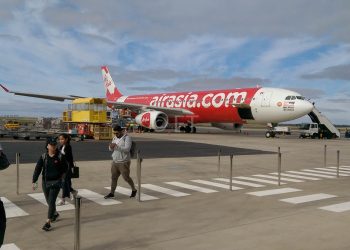
In a further alignment of operational capacity with real-time market economics, the airline Group accelerated its fleet optimisation plan during 2Q26. Across the Group, 25 older aircraft will be returned to the lessors in the Financial Year 2026 and securing long-term growth with new A220 and A321XLR deliveries starting in 2028. These newer aircraft are more cost effective and will hopefully, with no more shocks, see a return to lower fares.



This Post Has 0 Comments