
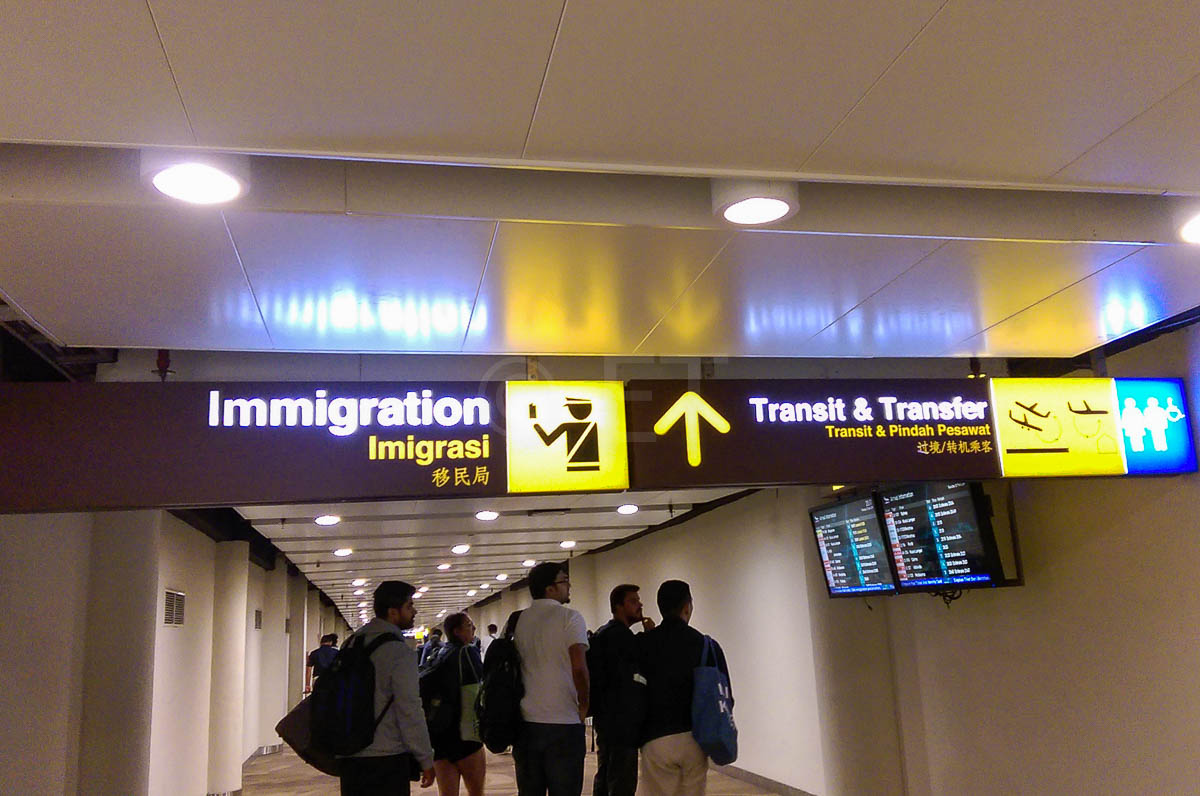
It’s easy to be confused by the terms used when you travel, especially if your journey is not just ‘point to point’ (more jargon) and requires you to break your journey in some way. One of the most common causes of confusion is the Transit or Transfer choice that confronts you as you leave your aircraft, as you may be directed to a specific counter or area. Sometimes you have to look for the signs as you go. To add to the confusion, depending on the airport, you may be able to do an international transfer without passing out through immigration/baggage collection and in again. It also depends whether both legs are the same – International or Domestic.
Transit or transfer?
Transit and transfer refer to different processes during travel, with some variations. Transit generally involves either staying on the same aircraft or in the airport for a short stop where you are required to leave the aircraft without needing to recheck luggage, on the same ticket. Transfer requires switching planes or airlines, which may require rechecking luggage and more time between flights. Airports with a larger number of Transit connections are often referred to as hubs. They are often the home airport of an airline, which offers many other flights to different destinations. In South East Asia, Changi Airport, Kuala Lumpur (KLIA), Bangkok and Hong Kong are popular Transit airports. Doha, Dubai and Abu Dhabi are popular hubs in the Middle East.
Transit
Transit may be defined as ‘Passing through an airport’ or ‘staying on the same plane’ while you are in the airport. If both legs of your journey are booked as one itinerary, with the same seat number and on the same aircraft, you are in Transit. You may be required to stay in a secure area in the terminal or remain on the aircraft if the wait is only an hour or so.
You don’t have to worry about your luggage as it’s handled by the airline. The term is is often used when the plane stops temporarily to pick up/drop off passengers before continuing to the final destination.Bali Denpasar is one such airport, where much depends on your type of ticket and if you already have a boarding pass for the next leg of your journey.
Transfer
The term Transfer is used if you are changing from one aircraft to another, or another airline. This generally means that you get off the first plane, pass through security/immigration/customs, and walk to a different gate to board another plane. Likewise, if you haven’t been able to have your luggage checked through, you must collect and recheck your bags, especially if switching carriers or arriving on an international flight with a domestic connection. This process takes more time and typically requires a longer layover to allow for terminal changes, security delays and other unexpected holdups.
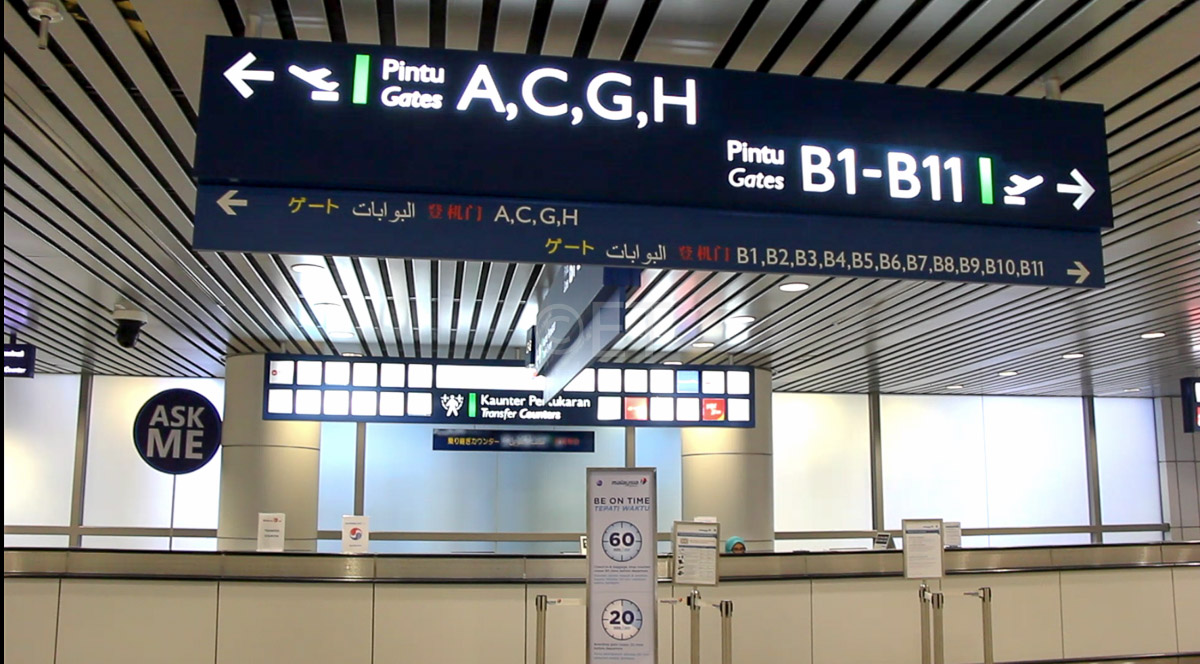
If you’re making a domestic-to-international transfer, make sure you book the journey in one itinerary. Then you can have your luggage routed to your destination so you don’t have to collect it and check it in again. Malaysia does have an internal transfer system in KLIA Terminal 1, inquire at the Information counter to access this facility.
Layover or Stopover?
Layovers
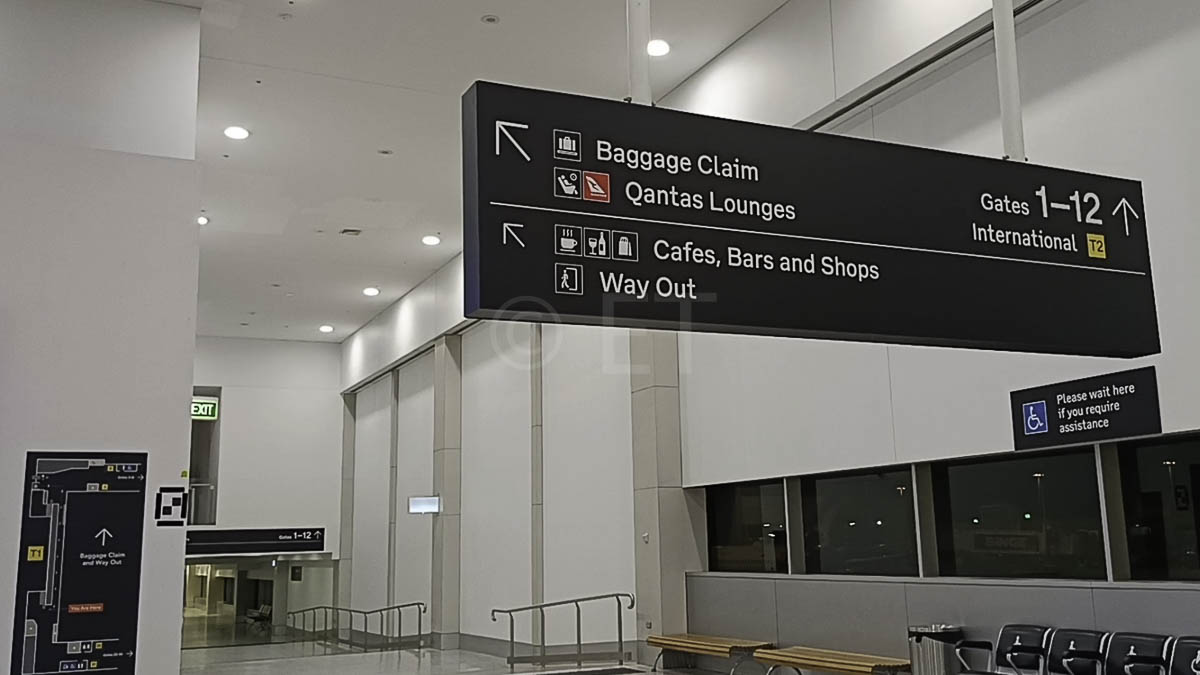
Layovers are defined as relatively brief breaks in the trip plan that last less than 24 hours, commonly between 4 and 12 hours. During these short breaks, people typically wait in the airport terminal for their connecting flights. If you have a Lounge access, this is a great way to fill the time as you will have food and drinks available, and can usually take a shower. They often provide free wifi as well. While most airline lounges close for a few hours in the middle of the night, there are also 24hr walk-in lounges like Plaza Premium Lounges where you pay for your visit, or you can join as a member if you fly often. Singapore is very well equipped for lounges, and you have a few non-airline ones to choose from. Many airports also offer the weary traveller the option of short stay rooms with a bed which comes with access to showers with toiletries. Also common in ‘hub’ airports are cinemas, shopping and food outlets. Some even have a swimming pool.
In ‘days gone by’, it was not uncommon for a hotel stay, either a day room and meal, or an overnight stay with dinner and breakfast, in an intermediate airport, to be included in the price of the ticket. This was for layovers between about 5 hours and under 24 and Bangkok Don Muang Airport was the home of Thai Airways. Few airlines do this now, mostly only Chinese and Middle Eastern carriers.
Other things to note for a Layover
You don’t need to worry about your luggage, as in most cases, checked bags have already been routed directly to the final destination. In many locations, you can leave the Airport if you have enough time, but you should only plan to do this if you meet local visa/entry requirements and it’s your responsibility to be back in time for your next flight. If you have a layover in Singapore that’s at least 5 hours, you can pre-book one of their free Singapore tours. These leave from their airside counter and although you leave the airport, they do take your passport and you stay as a group. They’re a great way to get a sneak peek, but be warned, they’re booked out very quickly. TIP: If you have a few hours layover in Brunei, just take a book and a snack with you. If this has changed, please share!
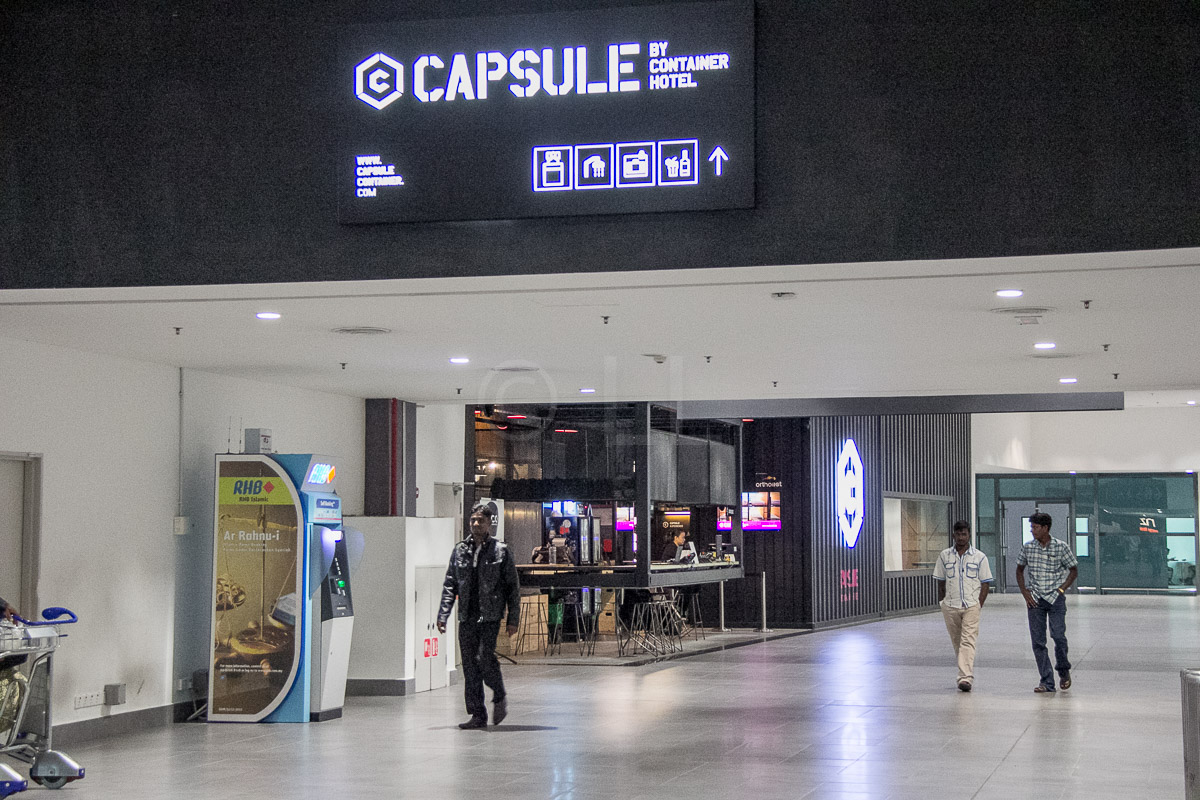
If you have a longer 8+ hour layover in somewhere like Kuala Lumpur, you’d have time to catch the KLIA Ekpres (buy online for a discount) from the airport to KL Sentral and change to the LRT (Gombak line) for KLCC Station and Suria Mall/Petronas Towers. Allow an hour to return on the KLIA Ekspres, but be there at least 2 hrs before departure. Apart from the airside options, many airports have places where you can sleep, short term. Check out the airport hotels, Sleep pods or transit hotels like Capsule Transit.
If you’ve left the airport, ensure you have enough time for customs and security checks upon returning to the airport.
Stopovers
A Stopover is a longer break, over 24 hours, at an intermediate city, allowing you to leave the airport and explore, often at little to no extra airfare cost. Malaysia Airlines often offers travellers to or passing through Malaysia Free tickets to visit local tourist destinations like Langkawi. Even if don’t fly somewhere else, many airlines offer the opportunity to break your journey and stay in the location for a few days before continuing the journey. Middle Eastern Airlines also use this option for travellers to have a look around their city and nearby for a few days and hope they’ll come back again for a longer stay. This may or may not still be available due to the current situation, we know of people who were due to fly out on 28th February after a great 5 day stopover, who ended up staying another 9 days. Another good reminder to read the fine print on your travel insurance and make sure such unexpected situations are covered.
images©ET





This Post Has 2 Comments
I never knew there was a difference between layover and stopover. Makes planning trips a bit easier to understand.
It’s something that lots of people ask, so I hope we’ve helped clear it up for you. Happy travels!