
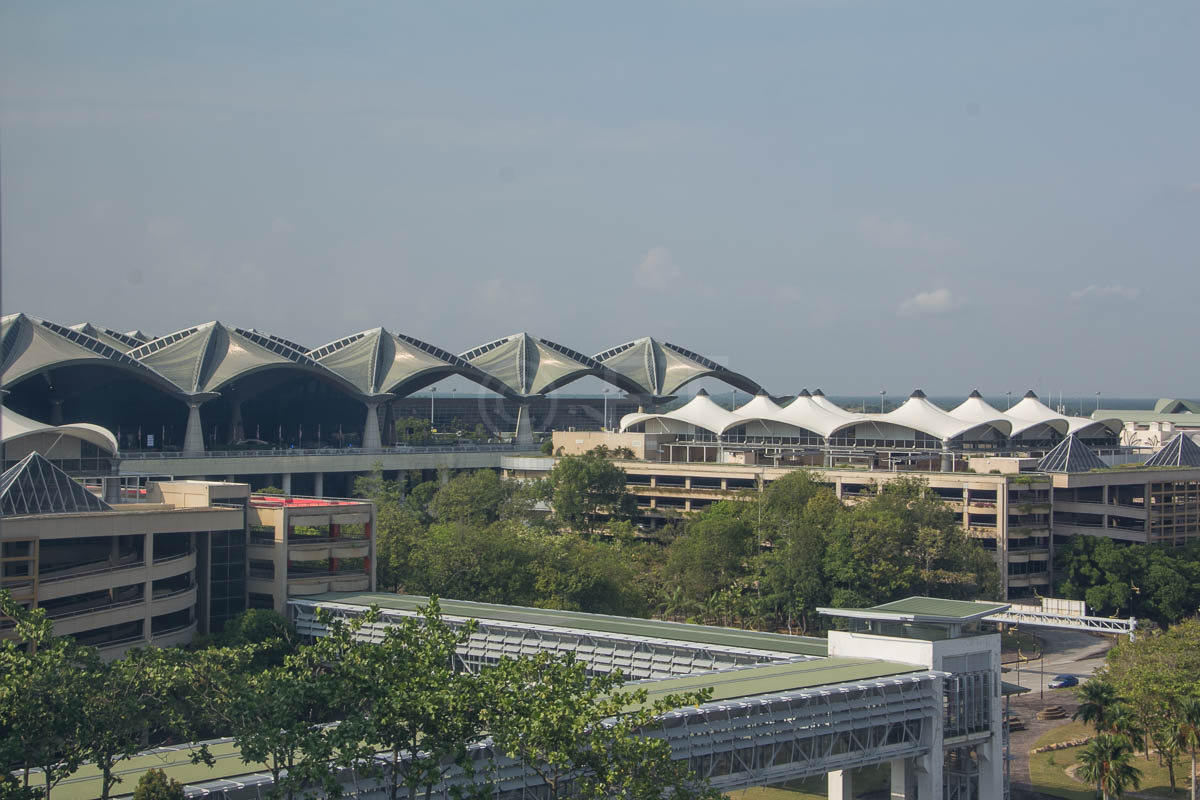
In a sign that travel confidence is returning, passenger traffic through Malaysia Airports’ local network has reached its highest monthly volume since March. Domestic traffic has strongly rebounded since a decline recorded in July, with international traffic continuing its upward movement. For the first eight months of 2026, Malaysia Airports’ local network handled 67.4 million passengers, comprising 37.0 million international and 30.4 million domestic passengers.
At Group level, which includes Istanbul Sabiha Gökçen International Airport, Malaysia Airports handled 13.6 million passengers in August, an increase of 5.8% from July. The Istanbul operation handled 5.2 million passengers of this total, up 6.8% month-on-month, bringing total Group traffic for the first eight months of 2026 to 101.3 million.
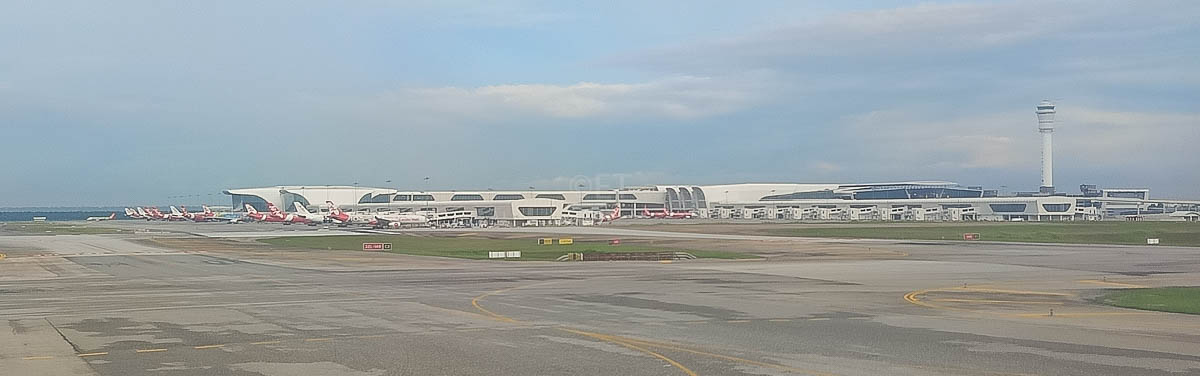
The increase was also reflected across several major gateways locally. KL International Airport (KLIA) handled 5.2 million passengers, up 3.8% from July, although we don’t have any breakdown by Terminal. Kota Kinabalu and Kuching International Airports recorded stronger month-on-month increases of 12.0% and 10.8% respectively, with Penang International Airport registering a 2.3% increase.
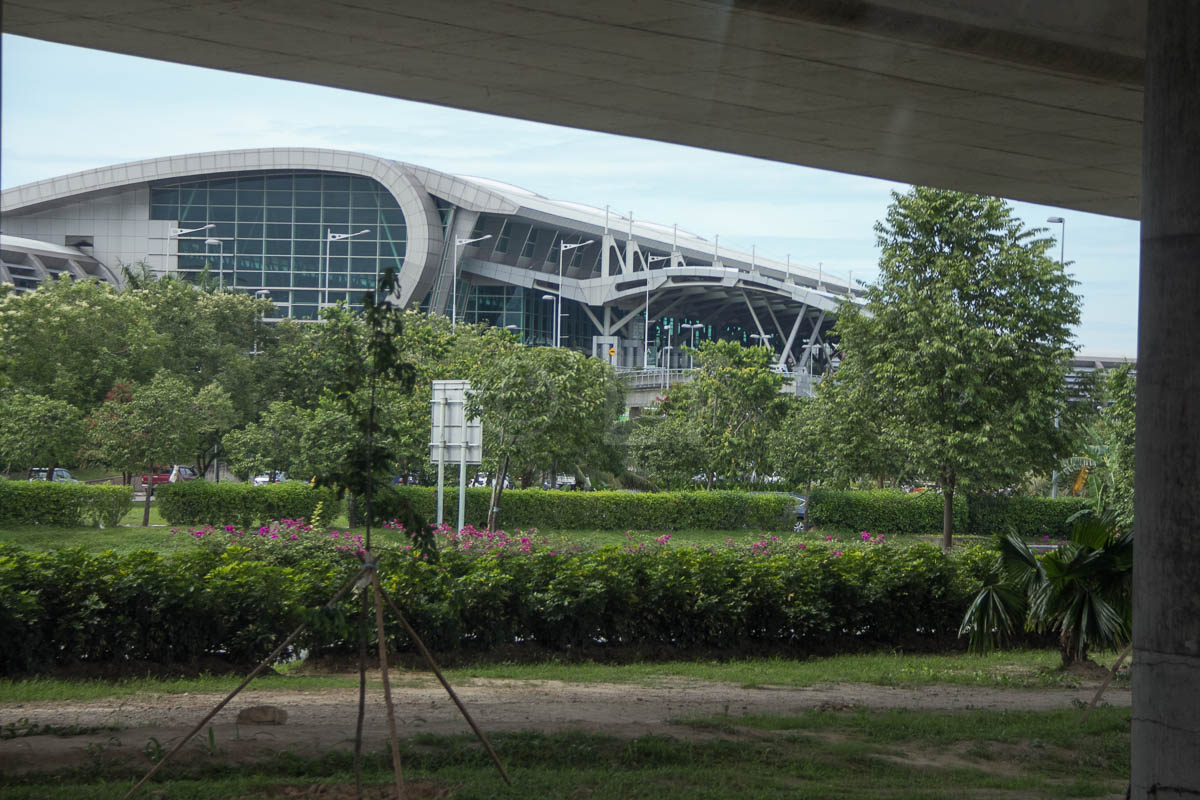
From September 2026, Malaysia Airports will publish their KLIA Monthly Performance Report on their official website. The report shows their commitment to elevating service delivery and provides greater transparency on the performance of key passenger touchpoints at Terminal 1 and Terminal 2, as passenger traffic and connectivity continue to grow. Performance targets and monthly results in the report are drawn from the Quality of Service (QoS) Framework regulated by the Civil Aviation Authority of Malaysia (CAAM), as well as internal performance metrics .
The most recent report, for August 2026, looks at 26 different values, including On Time Departures, differentiated both by Terminal (T1 – 80%, T2 88%) and between Domestic (87%) and International (81%). However, T2 pips T1 in First and last bag delivery, with fairly significant differences in both Departure and Arrival Immigration queues at Autogates including Transfer queues. It’s not clear whether this is due to larger passenger numbers at T1, or better efficiency at T2.
New Services in August
Indonesia’s TransNusa commenced a daily direct service between Bandar Lampung, Indonesia and KLIA Terminal 1 on 24th August. This flight, operated using a 95-seat COMAC C909 aircraft, provides a new direct link between Malaysia and Indonesia’s Lampung province.
KLIA’s established network strength continues to grow, with KLIA’s recent recognition in the OAG 2026 Megahubs Index, holding its its position as the world’s fourth most connected international airport and Asia Pacific’s most connected Megahub.
Passenger satisfaction
The August 2026 results published, show that overall airport satisfaction remained high at 99.7% across both terminals, while passenger satisfaction with washrooms remained at 100%, indicating that measures introduced to improve passenger movement are showing positive results.
Passenger satisfaction with kerbside congestion reached 100% at both terminals following the implementation of the Vehicle Access Management System to improve traffic circulation and reduce prolonged vehicle waiting times. Travellers passing through the Satellite building at KLIA Terminal 1, will be pleased to know that the Aerotrain achieved 100% compliance in August against the prescribed Quality of Service target for two-train service availability.
images©ET



This Post Has 0 Comments