

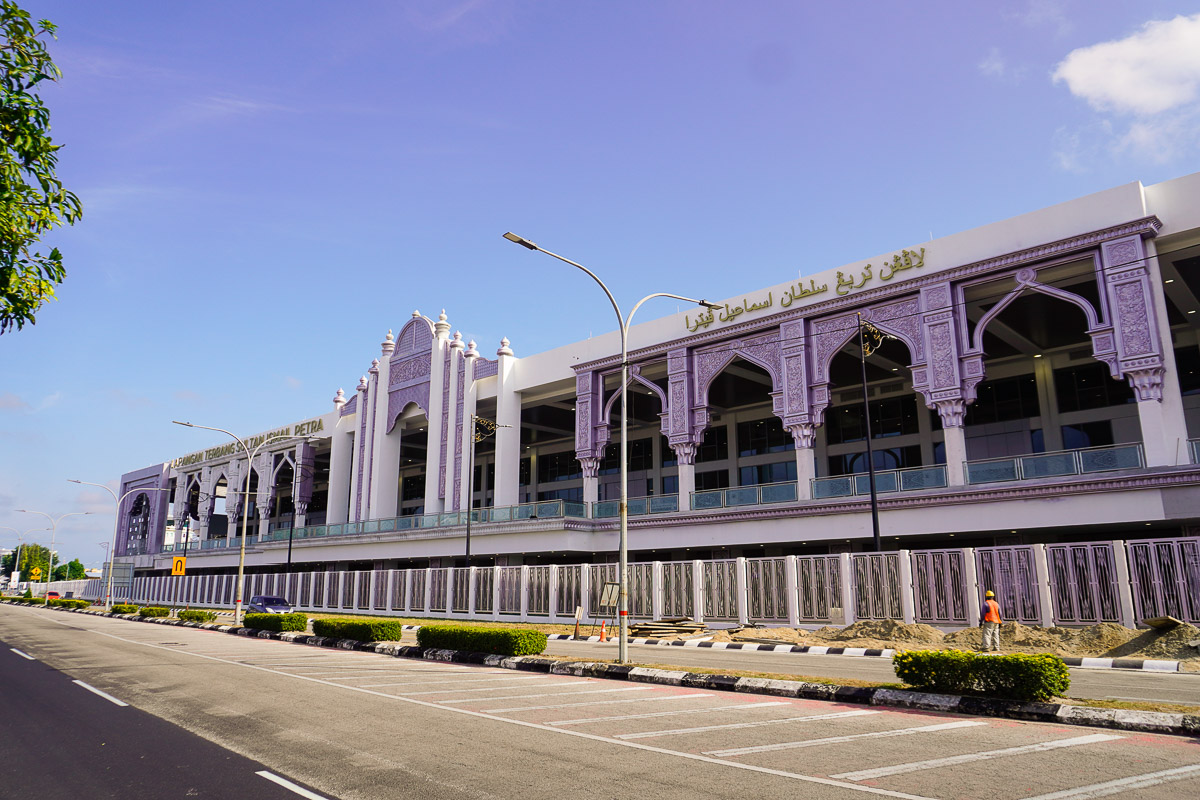
The new Sultan Ismail Petra Airport (Kota Bharu Airport ) (KBR) has handled over half a million passengers in first four months of 2026 as new routes both domestic and international are added, following the successful expansion of the airport, the operational launch of which was held in April 2026. From January to April 2026, KBR recorded 562,081 passenger movements, reflecting a 3.9% year-on-year growth, handling 131,099 passengers in April alone.
Kota Bharu Airport goes International
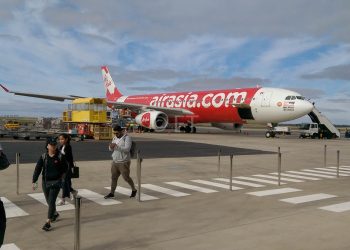
The airport currently operates one international route to Singapore via Scoot, with a second international connection to Jakarta set to commence in June when AirAsia is set to make its inaugural flight. International passenger movements also continue to build steadily, reaching 4,562 passengers during since January, with monthly international traffic increasing from 873 passengers in January to 1,381 passengers in April, a 9.9% increase compared to March.
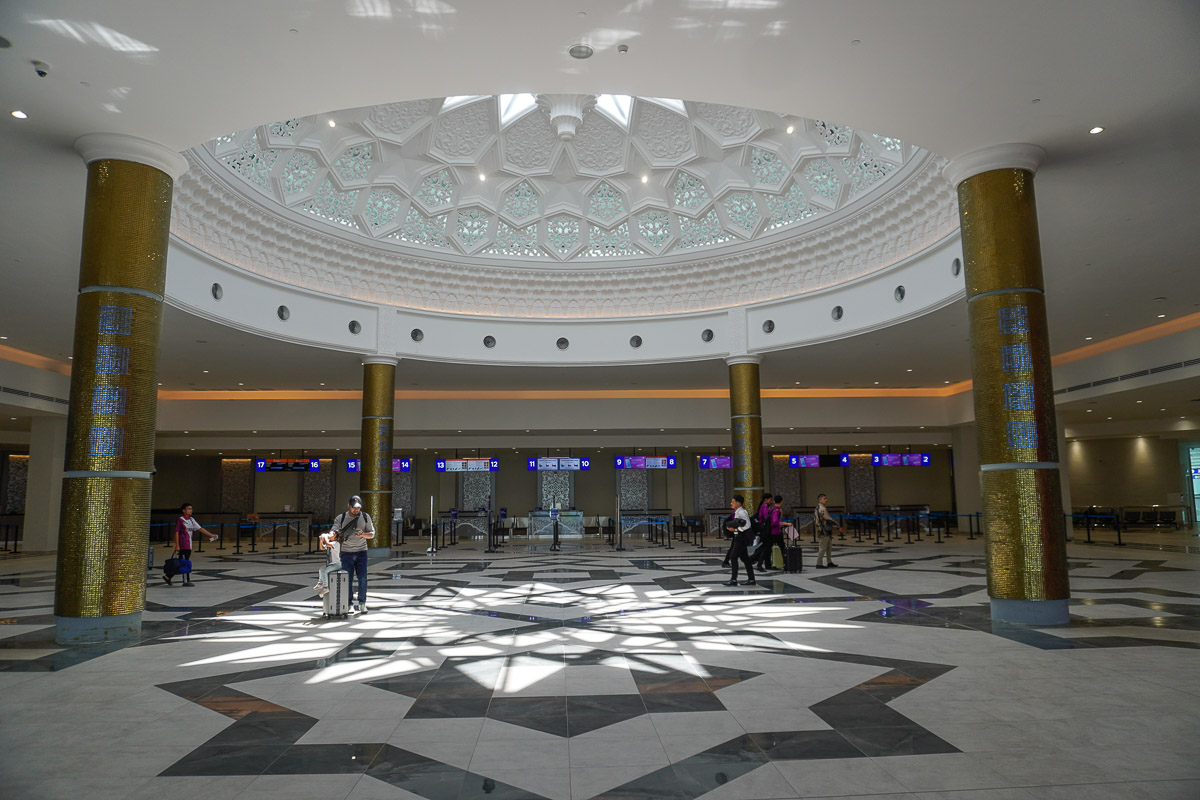
The impressive dome and Islamic motifs in the check-in area certainly make a statement. With its upgraded facilities and higher passenger handling capability, KBR is now better positioned to support future traffic growth and regional connectivity. The expansion significantly increases KBR’s capacity, allowing the airport to serve more passengers comfortably while delivering a smoother travel experience. As part of Malaysia Airports’ wider network, the new airport is expected to contribute positively to the long-term growth of the national aviation ecosystem.
Malaysia’s local airport network recorded 8.1 million passenger movements in April, bringing the year-to-date total to 35.5 million passenger movements, a 7.4% increase compared to the same period last year. KLIA handled 5.2 million passenger movements in April and 22.1 million passenger movements for the first four months of the year, representing a 10.9% year-on-year increase. Compared to March 2026, the local network recorded a 10.6% decline in passenger movements in April, while KLIA recorded a 7.2% decrease month-on-month. This was largely anticipated following the exceptionally high travel demand during the Hari Raya festive period in March, and taking into account operational adjustments by several airlines amid the ongoing situation in the Middle East.
…. The network’s continued growth reflects the strength of our long-term strategy, driven by key infrastructure developments such as the expansion of KBR, stronger airline connectivity, and continuous service enhancements across our airports. These efforts support our commitment to building a more connected, resilient, and competitive airport network that contributes to national growth, tourism, trade, and connectivity.Mohd Izani Ghani, Malaysia Airports MD




This Post Has 0 Comments