
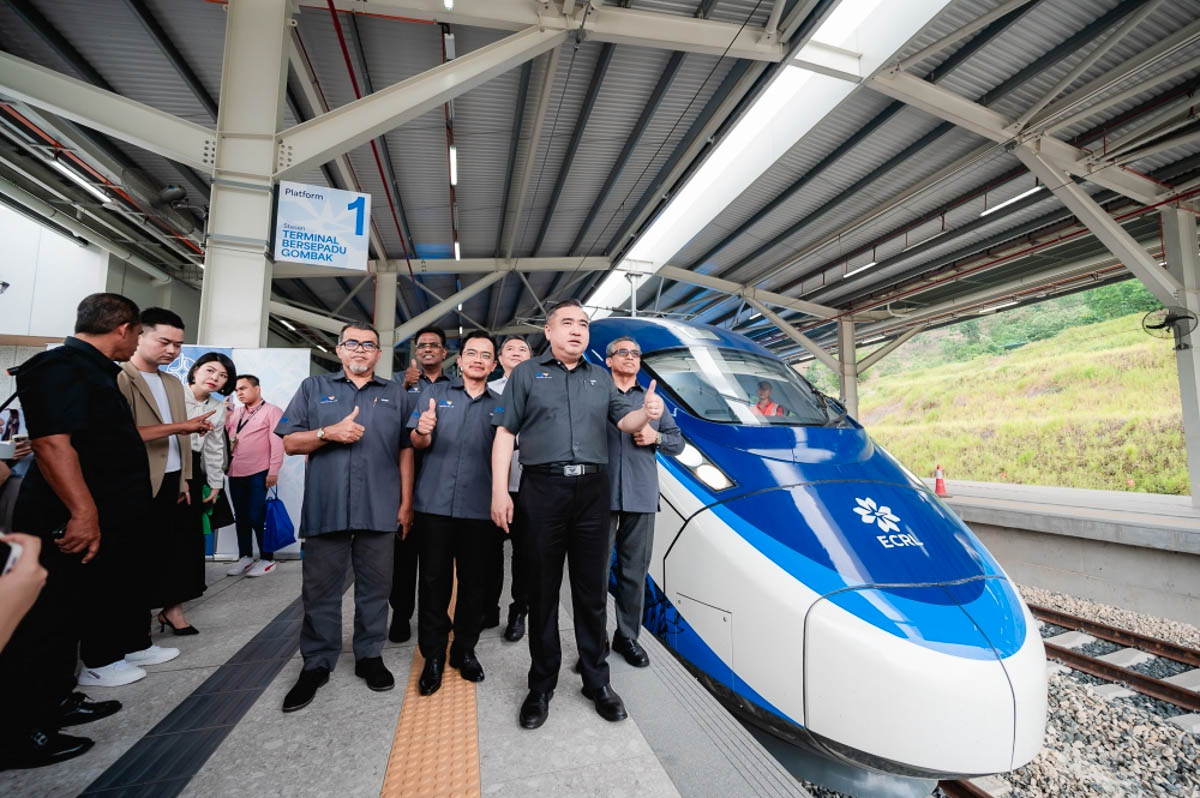
If you’re planning a trip to Malaysia’s East Coast of the peninsula, like Redang or the Perhentian Islands, or the Malay heartland of Kelantan, you now have an alternative to flying or a long road trip. The East Coast Rail Link (ECRL) is due to make it’s inaugural run between Gombak, Selangor and Kota Bharu on 12th December 2026, with a first successful trial run completed on 11th November 2026. But is this new service a good choice for travellers moving between the East Coast and the West of Peninsula Malaysia? When complete, (expected by January 2028) the new line will connect through to Port Klang in Selangor, carrying both cargo and passengers on separate services.
Comparisons – is the ECRL worth it?
At the time of writing, the full ticketing schedule has not been published, but this is set to be available when bookings open in mid-November 2026. The only fares currently available are between Gombak and three main stations used for Express services. Please note that these are base fares as they use dynamic pricing, similar to flight ticket pricing. (Usually taken to mean fewer seats left = higher price)
| From Gombak to | Distance | Transit (stops at all 16 stations) | Express |
| Kota Bharu | 523 km | from RM125 | from RM147 |
| Kuala Terengganu | 378 km | from RM95 | from RM110 |
| KotaSAS (Kuantan) | 209 km | from RM60 | from RM68 |
You can get more information direct from the ECRL website or Malaysia Rail Link, responsible for the implement of the ECRL project. You can also follow them on Facebook.
When doing a comparison of different modes of transport to travel between Gombak, on the northern edge of Kuala Lumpur to Kota Bharu, Capital of Kelantan, we tried to cover all scenarios. For motorists, we selected a small cc ICE car (e.g. Perodua Myvi 1.3L) to calculated the least expensive costing. We used a basic 4.5 litres per 100km over a trip of around 4-450km, using subsidised Budi95 petrol at RM1.99 per litre. We also included the cost of a similar car using unsubsidised petrol at RM3.87 per litre. Toll charges were then added to the petrol cost. This was done for both the Central Spine Road via Gua Musang and the Karak Highway/East Coast Expressway (LPT). Wear & Tear and maintenance costs were not included and we note that the unsubsidised cost (for non MyKad holders) is variable and may change.
(Note: New weekly price adjustments announced by the Ministry of Finance will take effect on November 12, 2026, lowering the unsubsidised RON95 price to RM3.87 per litre, while the BUDI95 subsidised price remains at RM1.99 per litre.)
Flights were compared using services from Subang Airport (SZB) and KLIA (KUL) to Kota Bharu (KBR). ECRL services include both Express and Transit services.
| Mode of Transport | Route to Kota Bharu | Distance (approx.) | Stops | Time
best/timetabled |
Cost | Variables |
| Flight (Firefly/MAS/AirAsia/Batik Air) | SZB – KBR | 350km | Direct | 1hr 10 min | RM126 – RM225 | Pricing for flights and rail are dynamic so may become more expensive as the number of available seats reduces. |
| KUL – KBR | 390km | 1hr 10 min | RM129 – RM190 | |||
| ECRL (from Gombak) | Express | 523km | 4 | 4 hrs | From RM147 | |
| Transit | 16 | 5 hrs | From RM125 | |||
| Car (From KL) | Via Gua Musang *Tolls RM 9.50 |
400-450km | 2-3 | 6-8hrs | Total + toll: RM50 Petrol (Budi95)RM40 |
Route, traffic, weather and road conditions and number of stops. |
| Via Karak/LPT *Tolls RM 49 |
Total + toll: RM89- RM128 Petrol (Budi95)RM40 unsubsidised RM79 |
|||||
| Bus (From KL) | Via Gua Musang | 400-450km | 2-3 | 9hr 30min – 10++ hours | RM34 to RM68 |
The Verdict
Ultimately, the choice is yours. You may have a larger, more comfortable vehicle and travel with friends or relatives, with multiple stops along the way. The Rest Areas are well spaced out and have clean toilets and suraus with plenty of food stalls. Some have good fruit stalls as well and local produce for sale. The downside is during school holidays and festivals when it seems the whole country is on the road. Especially the one you are on, you think. That 8 hours may become 10 or 12 and that also applies to the buses. There are reports of some travellers taking up to 23 hours to reach their destination during Festivals. This is probably the least expensive option IF you have more than one person to share the cost.
Note: Please make sure you are well rested before departure.
Travelling by bus is little different time-wise, the difference is comfort. Although they may have an on-board toilet, the longer the journey, the less likely you want to use it. You have no choice about where stops are made and you have to make sure you are back on the bus before it leaves. But for a single traveller, the cheaper buses are probably the most cost effective. Pay a little more for more comfort and hope for a good safe driver.
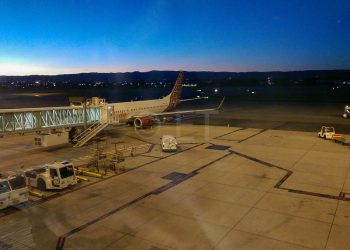
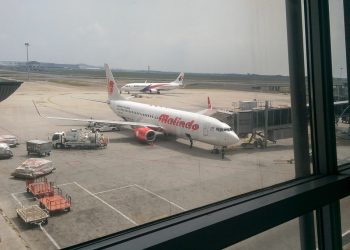
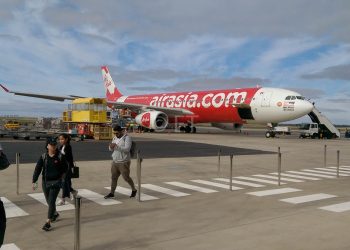
Flights are generally the most expensive, although they are not too different when comparing best fares with the ECRL Transit service. If you fly from Subang in a Firefly ATR72, you are low enough and slow enough to get a great view of the scenery, and Kenyir Lake on the way to Kuala Terengganu in particular. You must also take into account the journey to and from the airport and luggage considerations.
Train travel’s main advantage is that it is not hampered by traffic so times do mean something, you can plan more reliably. There is food available in a Dining car (take back to your seat) and you have toilets and suraus on board. Wheelchairs are more easily accommodated, including in the toilet. You can walk more easily and your amount of luggage is more flexible, within reason. Good discounts are available for eligible Malaysians over 60, children to 12years old and the disabled.
The downside to the train would be ‘first and last mile’. The Station in Gombak is connected to the Kelana Jaya LRT service by walkway and also to the Terminal Bersepadu Gombak (TBG/GITT) integrated transportation hub. However it is quite a distance to the nearest KTMB Station at Batu Caves and though the connection to Port Klang will cross the Tanjong Malim KTM line, there is no indication that there will be any connection. Many of the stations also seem to be built well away from the main population areas.
Final Observations
We have travelled this route over the years by bus, car and plane and recently opted to fly back to Subang from Kuala Terengganu to avoid a repeat of our long bus trip up. The train is a great option in a situation like this, had it been available, we would definitely considered taking the train. If you are travelling with children or elderly relatives, you also have to factor in comfort and fatigue. Consider too, that fares can add up, for every mode except a personal car, especially for large groups and return trips, and you will not have the same flexibility of movement as travellers arrive/leave at designated stations and may need transport to reach their final destinations.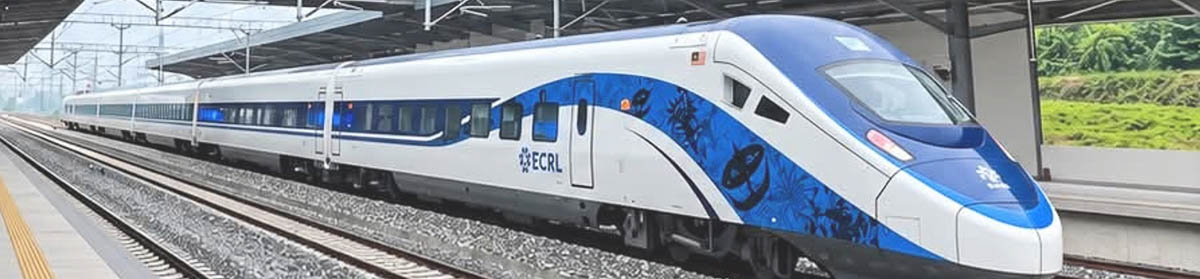


Comments (0)