
Sabah is world famous for its biodiversity, its unique plants and animals that are found in few, if any, other locations. The Bornean elephant is a subspecies of the Asian elephant (Elephas maximus) found in north eastern Borneo. It is believed to be indigenous and their numbers have been declining, largely due to human intervention into their habitat and many have raised concerns about the declining numbers and habitats as a result of deforestation. As the largest of the animals there, the elephant’s role as Ecosystem Engineers is often overlooked as economic activities such as plantations growing tree for food and multiple other manufacturing and building purposes has pushed these wide roaming creatures into smaller areas with frequent reports of Human / Animal conflicts.
The Malaysian Palm Oil Green Conservation Foundation (MPOGCF) has been working to address these issues, since it was set up by the Malaysian Palm Oil Council (MPOC) in 2019 to address concerns about the palm oil industry’s impact on the environment and to demonstrate the industry’s commitment to conservation. The project they are funding is a research project to find the most suitable type of grass for the elephants to eat.
Why save the Ecosystem Engineers?
What is an ecosystem engineer? It’s a term used to describe “any species that creates, significantly modifies, maintains or destroys a habitat“. Elephants, as the largest land mammals, are very important to the ecosystems in which they live as they spread seeds widely in their travels, through their dung, which also provides useful fertiliser. Elephants are most definitely Ecosystem Engineers. Their droppings show their favourite foods and give an indication of how far they’ve travelled. However they will happily eat young plant saplings, leading to conflicts with humans. This is why it’s necessary to balance the economic activities of the people, with the conservation of the wildlife that live in the area. Wildlife corridors offer elephants and other wildlife the opportunity to roam freely and more safely as they have access to suitable food and water. Napier grass is a fast growing plant that spreads through rhizomes under the ground and can reach a height of 3 meters in 60 days.
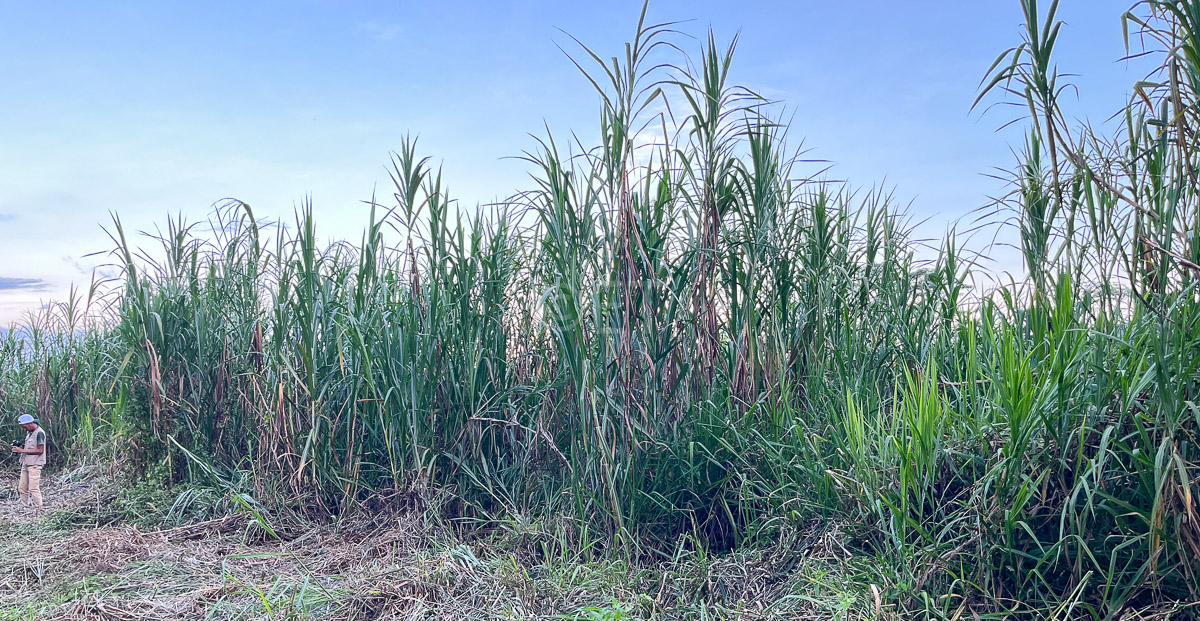
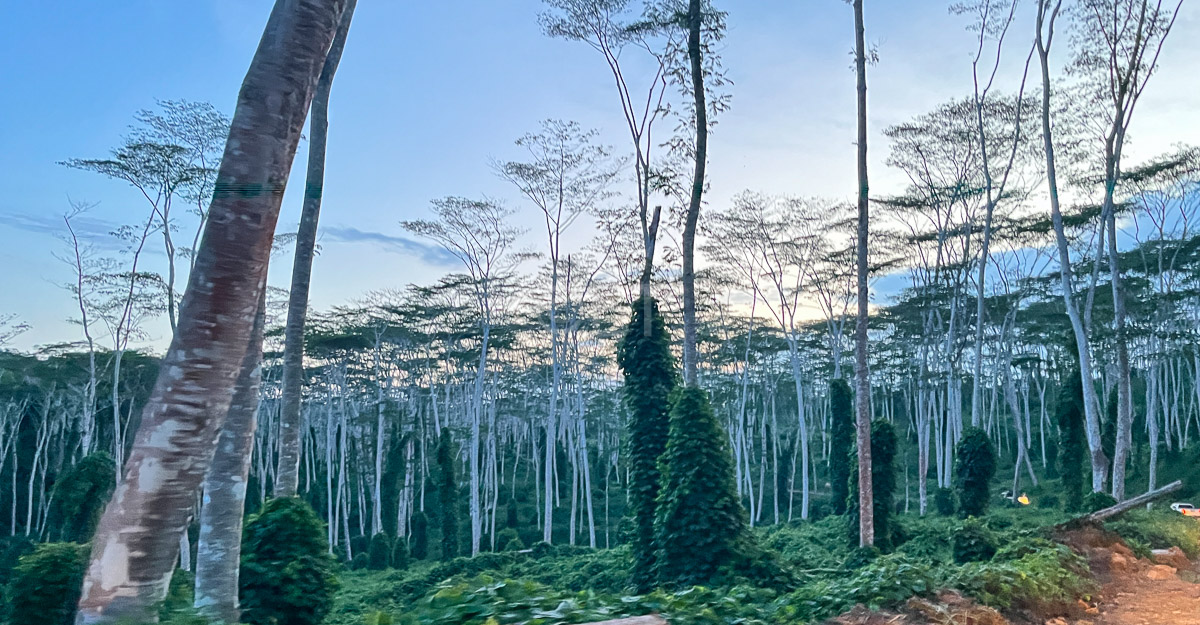
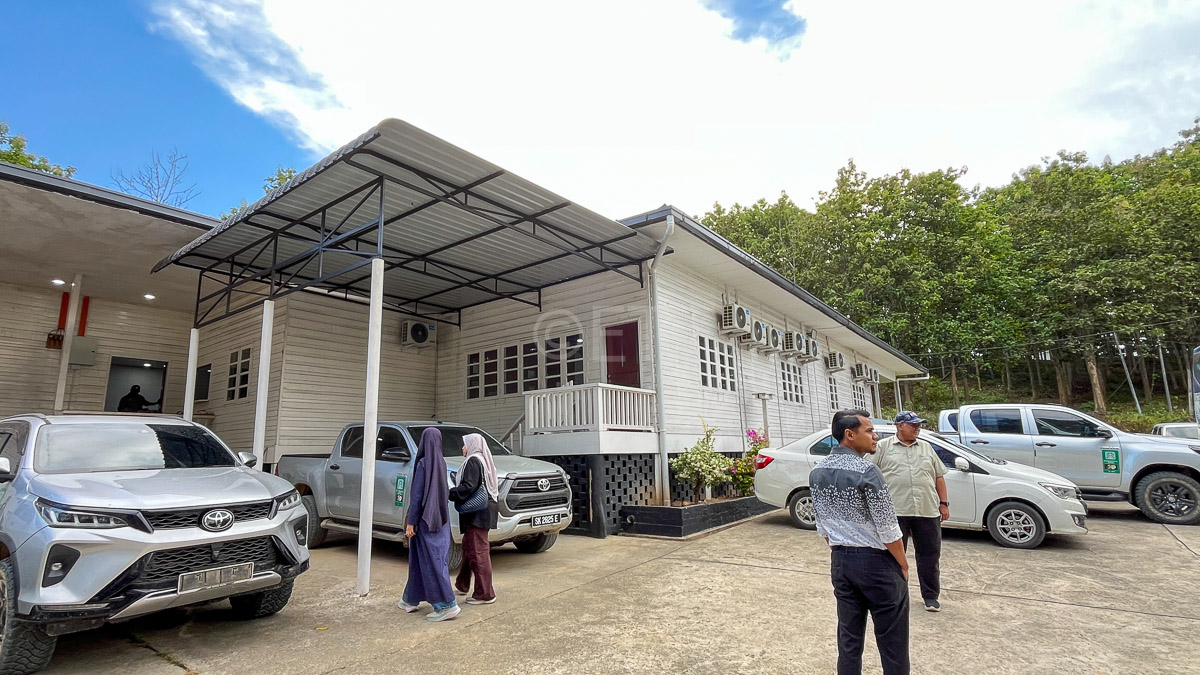
We first visited the Sabah Softwood’s plantation with MPOGCF in November 2024, to see and understand the projects they were undertaking and the progress that had been made. The Brumas Wildlife Corridor was established in 2013 as a collaboration between Sabah Softwoods and WWF-Malaysia’s Borneo Programme, so on this visit, we were able to see the growing effectiveness of the corridor in action, with the plentiful distribution of elephant droppings in the area. This was particularly noticeable along the road near a stand of Napier grass (Cenchrus purpureus). This is a Thai variety, “pak chong”, one of three types planted in October 2024. It seemed to be preferred over the local variety and one from Taiwan, which grows easily but has tougher leaves. The Thai pak chong grass is softer and apparently sweeter, and while more difficult to grow, it is the elephants’ favourite. Evidence of their activity in this area was clear from an examination of the ‘poop’. We had the enthusiastic assistance of our fellow traveller, researcher Azamuddeen Nasir, who not only squeezed out a lot of water from a day old ‘poop pat’, but broke it open so we could see the fibres.
Wild Elephants are not strictly territorial. Rather, they roam over wide areas that may be as large as hundreds of square kilometers, so while they do not defend borders, they travel in herds and are very protective of their young. Males may become aggressive during ‘musth’, when looking for a mate. When they have large areas at their disposal, different herds often cross paths or share the same waterholes without territorial conflict as they roam searching for food, water, and social connection.
Over the past few decades, particularly since the early 1980s, a lot of land in Malaysia, especially in Sabah, has been taken over for the growing of oil palm for their oil, and various types of softwood trees for timber. As these crops are major sources of income for the country, there has been a lot of encouragement and support for these industries. However, in recent years there is a lot more recognition and concern for both the loss of diversity of plants and animals in the jungles levelled for plantations. This was most visible and obvious in the case of the animals. Birds and animals big and small were being pushed into smaller and smaller spaces and it was inevitable that there would be human/animal conflicts.
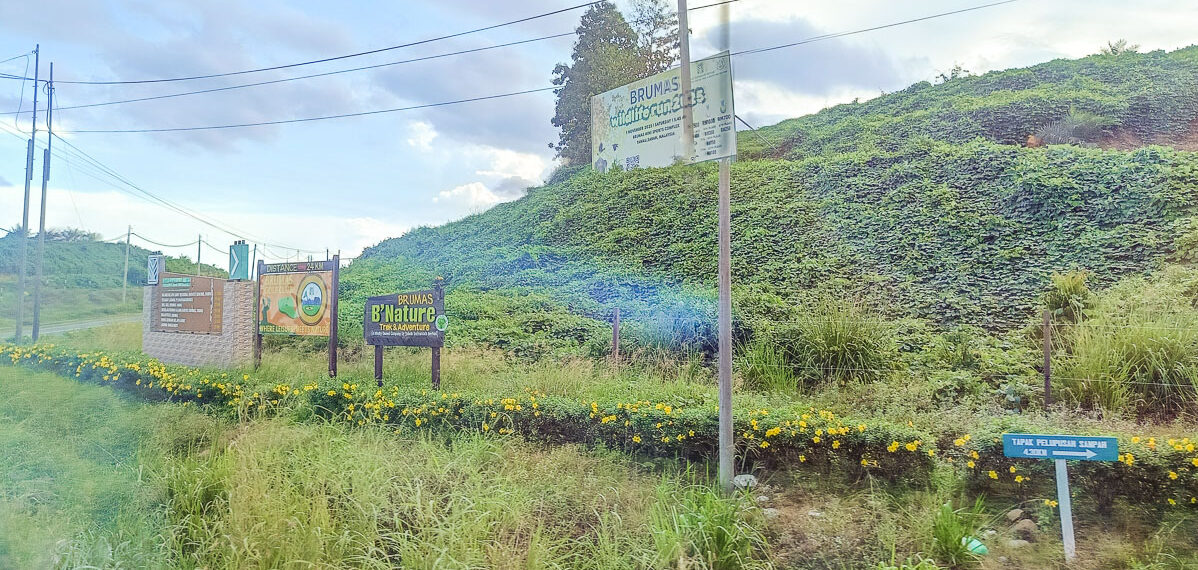
Would you like to visit the Brumas Wildlife Corridor?
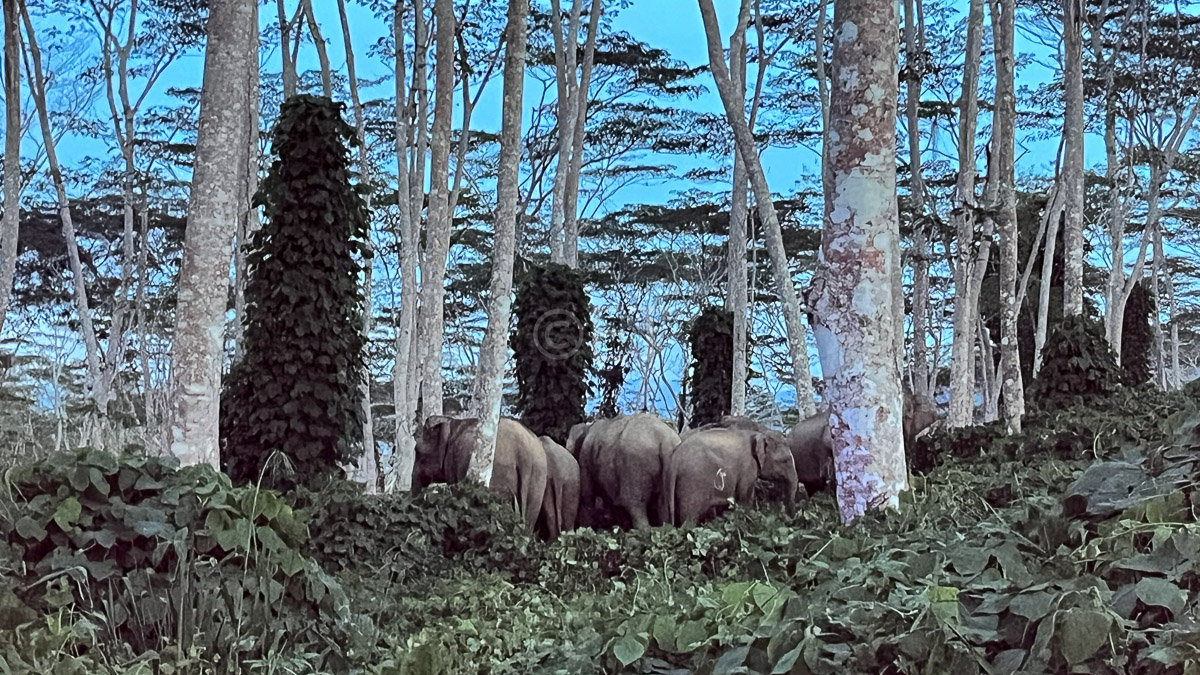
We were very fortunate to see two groups of elephants during our short visit, one group that turned back as we arrived at where they wanted to enter/cross the road and another group of eight as we were leaving. The Plantation has set up a small resort earlier this year, to cater for eco-travellers who would also like to visit and are reporting a very encouraging response. They have a range of accommodation types, from a Lodge to hostel accommodation, to cater to different requirements. They are also organising the Brumas Wildlife run on 26th November, the event in 2025 was well attended.
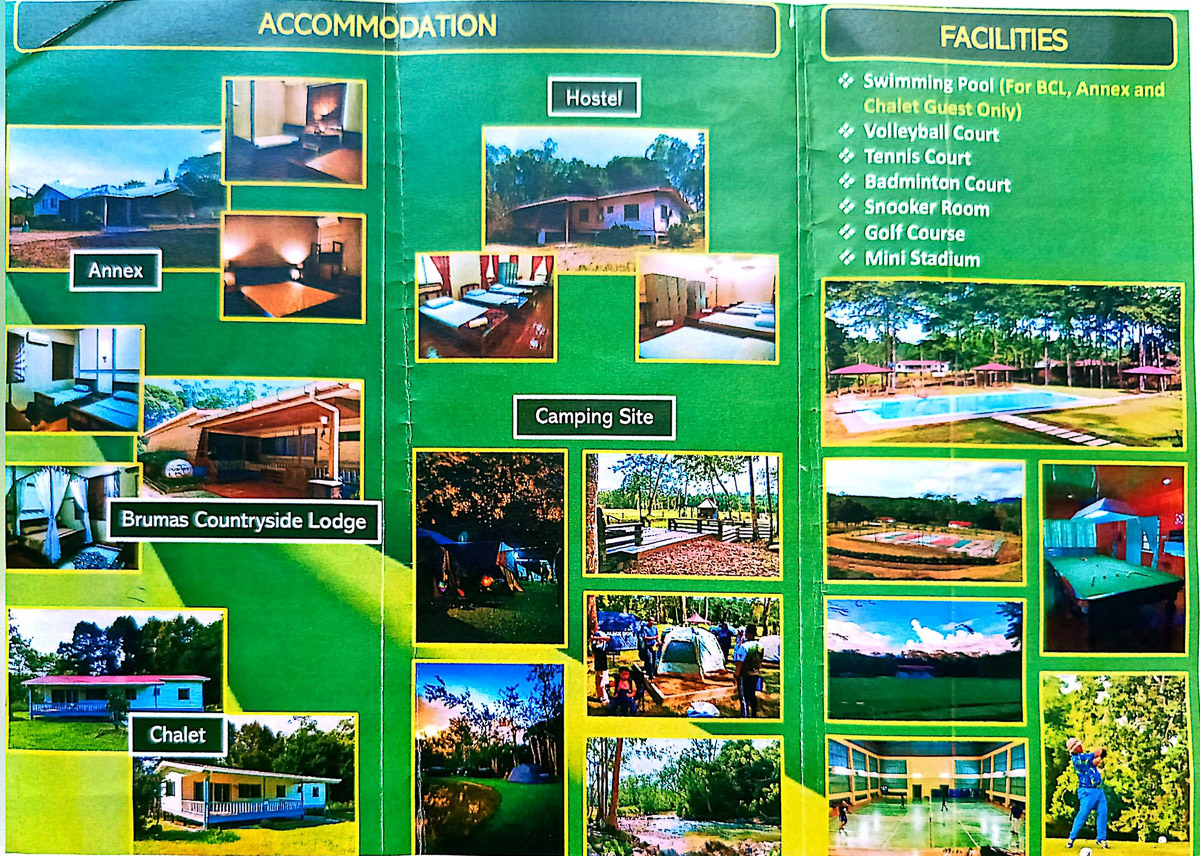
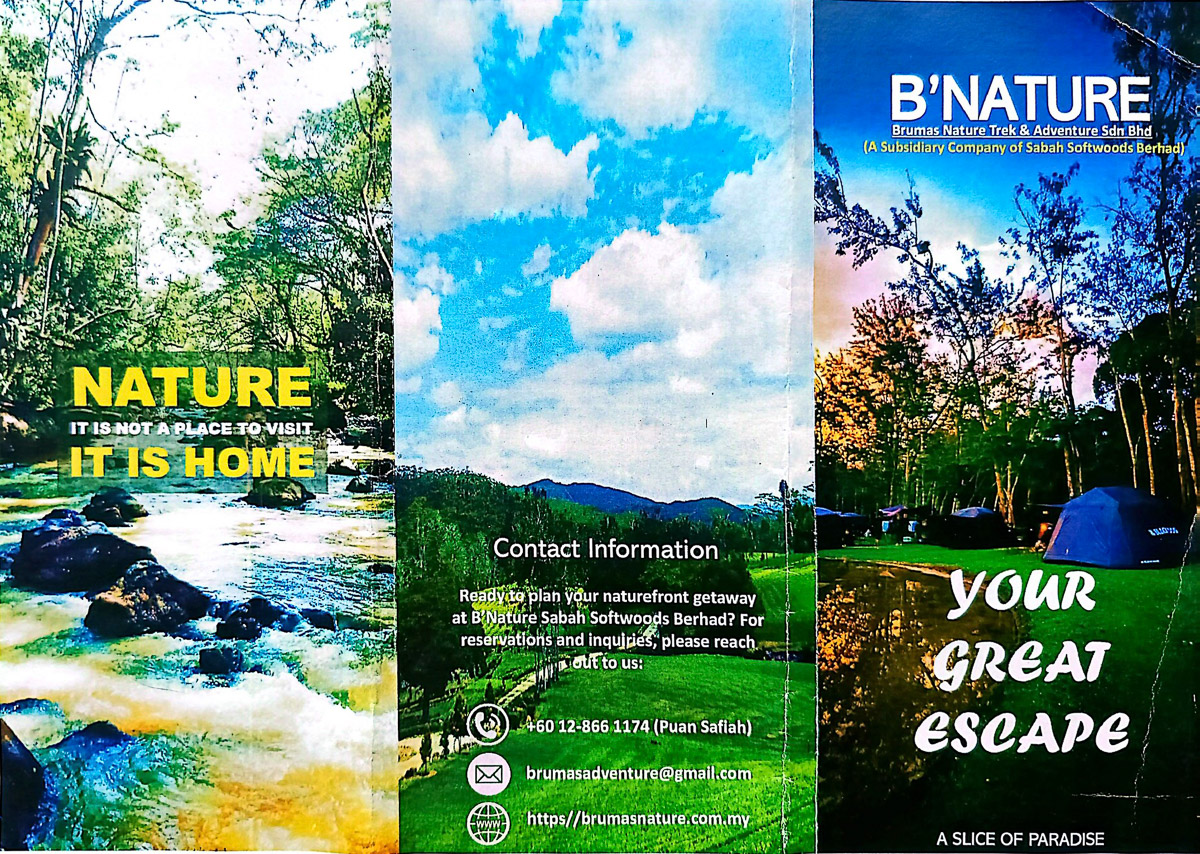
If you’d like to visit and stay a day or two, or perhaps join in the Wildlife Run this November, here’s how you can get in touch.
Contact details |
||
| Find out more about Sabah Softwoods Bhd https://www.softwoods.com.my/ |
Wildlife Run: More information at |
Wildlife Corridor Brumas – Come and stay +60 12-8661174 (Puan Safiah) [email protected] Through their website |
images©ET




This Post Has 0 Comments