
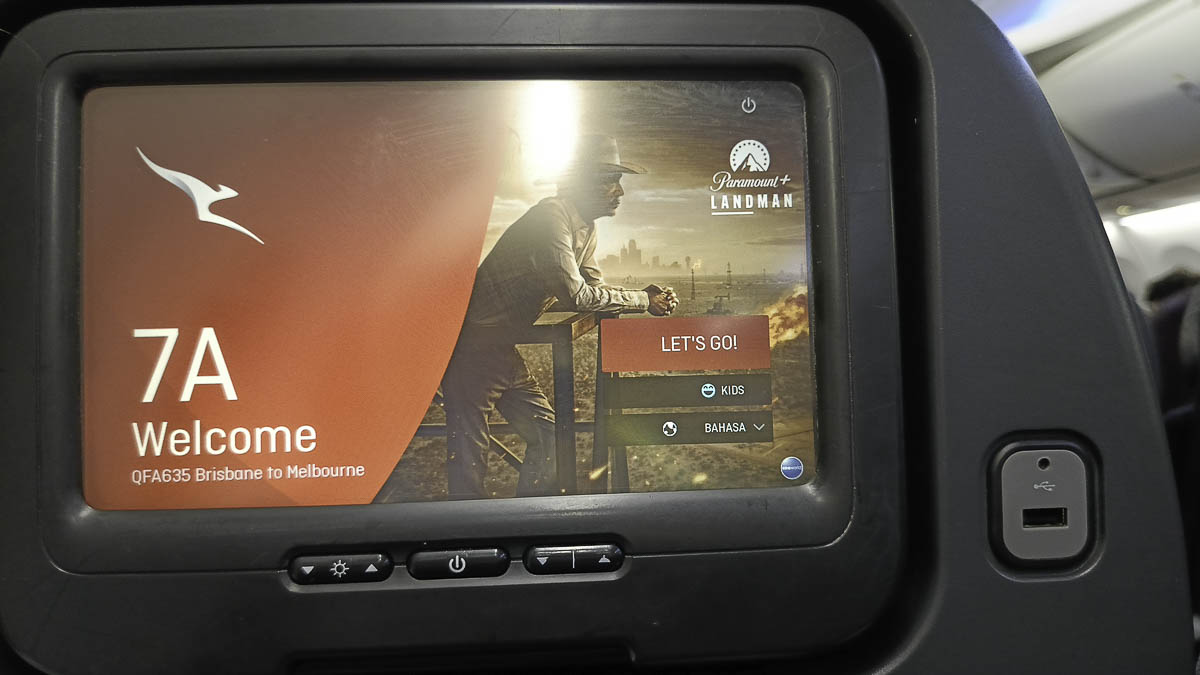
Most airlines have banned power bank use since March 2025. One of the first to do so was Batik Air Malaysia, following a quickly contained incident on one of its flights. However, Australian carriers Virgin and the Qantas group have waited until December 2025 to join other airlines in banning their use.
Various types of batteries and power bank use on aircraft
Airlines have had strict rules for the carrying and use of various types of batteries and battery powered devices for some years now. The Australian Transport Safety Bureau has noted that power banks have been linked to at least five in-flight fires since 2016. However, it was only in January, when an Air Busan flight at South Korea’s Gimhae International Airport was destroyed due to a fire believed to have originated from a defective battery, that some airlines moved to change their rules.
In-flight power bank rules have been tightened globally, with more than a dozen international carriers introducing bans like Australia’s this year. Australian Airlines Qantas and Virgin have now joined this list.
- Cathay Pacific and Hong Kong Airlines
- Emirates
- Singapore Airlines and Scoot
- Thai Airways
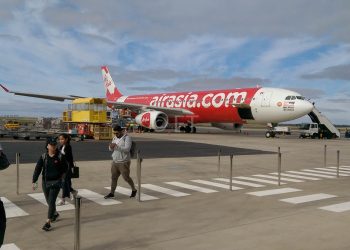
- All Malaysian carriers – Malaysia Airlines, AirAsia, Batik Air
- Korean Air and Air Busan
- Southwest Airlines
- Vietnam Airlines
- China Airlines and EVA Air
Following a blaze suspected to have been caused by an overheated lithium battery in an overhead compartment of a Virgin flight from Sydney to Hobart in July, both Virgin and the Qantas Group launched internal safety reviews into that incident and many other international cases resulting in the imposition of the ban.
While travellers can continue to carry portable power banks on flights, they may no longer be used. These safety measures apply to all domestic and international services. There will be no exemptions, including for medical devices. Battery-powered portable medical devices can still be carried in the cabin in line with airline policies, though they cannot be charged on board.
How do the restrictions vary between airlines?
While both airlines follow similar safety measures introduced by carriers globally, there are some minor differences:
Qantas / Jetstar / QantasLink |
Virgin Australia |
|
Effective Date |
15th December, 2025 | 1st December, 2025 |
On-board Use |
Prohibited |
|
Charging on Board |
Prohibited. Includes use of in-seat USB/power ports to charge. | Prohibited. Use in-seat power for other devices only. |
How many can I carry? |
Maximum two per passenger |
|
Maximum Capacity |
160 Wh per power bank |
|
Storage (note difference) |
|
|
Checked Baggage |
Prohibited |
|
Should you need to recharge handheld devices such as mobile phones, laptops and headphones you’ll need to use in-seat USB charging ports, where these are available. Your power banks, however, cannot be charged using these ports.
Will airlines retrofit more in-flight chargers?
Airlines advise passengers to plug their devices directly into the USB charging ports in your seat. However, while most Qantas aircraft are already equipped with in-seat charging ports, their budget subsidiary Jetstar does not have them, except on some larger Boeing 787 jets flying longer distances to destinations including Japan, South Korea and Thailand. If you’re flying on short domestic flights ensure your devices are fully charged prior to boarding. Most Departure lounges do have USB and power sockets.



This Post Has 0 Comments